
Creation of the Vice Presidency
Thank you for reading this post, don't forget to subscribe!The United States created the office of the Vice President in 1789 when it adopted the Constitution. Before this, under the Articles of Confederation, the country had no executive branch or centralized leadership such as a president or vice president. By establishing the Constitution, the founders introduced a stronger federal structure and clearly separated the powers among the three branches of government. As part of the executive branch, the Vice President presides over the Senate and immediately succeeds the President in case of death, resignation, or removal. The list below shows the Vice Presidents of the United States.
LIST OF THE VICE PRESIDENTS OF THE UNITED STATES
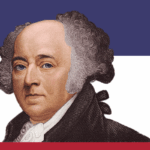
John Adams
John Adams(1735–1826) was the first Vice President (1789–1797) and second President (1797–1801) of the United States. A Founding Father and key advocate for independence, he played a crucial role in the American Revolution. Adams was known for his intellect, diplomacy, and dedication to republican principles and constitutional government.
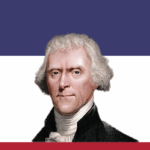
Thomas Jefferson
Thomas Jefferson(1743–1826) was the 2nd Vice President (1797–1801) under John Adams and later became the 3rd U.S. President. A key author of the Declaration of Independence, he championed democracy, limited government, and individual rights. Jefferson also completed the Louisiana Purchase and founded the University of Virginia, leaving a lasting legacy.
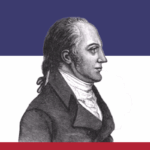
Aaron Burr
Aaron Burr(1756–1836) served as the 3rd Vice President of the United States(1801-1805) under Thomas Jefferson. A controversial and ambitious figure, he is best known for killing Alexander Hamilton in a duel. Burr’s career declined after a failed conspiracy to establish an independent nation in the West.
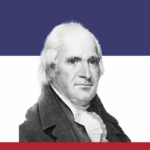
George Clinton
George Clinton(1739–1812) served as Vice President(1805-1812) of the United States under both Thomas Jefferson and James Madison. A Revolutionary War general and former Governor of New York, he was known for his strong anti-Federalist stance. Clinton was the first vice president to die in office.
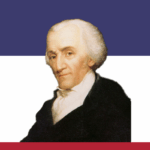
Elbridge Gerry
Elbridge Gerry(1744–1814) was the fifth Vice President of the United States, serving under James Madison from 1813 until his death in 1814. A Founding Father and signer of the Declaration of Independence, he is best known for inspiring the term “gerrymandering” due to a controversial redistricting plan he approved as Massachusetts governor.
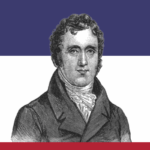
Daniel D. Tompkins
Daniel D. Tompkins(1774–1825) served as the sixth Vice President of the United States from 1817 to 1825 under President James Monroe. A member of the Democratic-Republican Party, he was previously Governor of New York. Tompkins played a key role in financing the War of 1812 but struggled with personal debt.
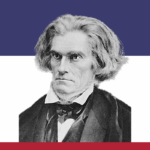
John C. Calhoun
John C. Calhoun(1782–1850) served as the 7th Vice President of the United States from 1825 to 1832 under Presidents John Quincy Adams and Andrew Jackson. A strong advocate of states’ rights and slavery, he was the first vice president to resign from office, later becoming a leading Southern political thinker.
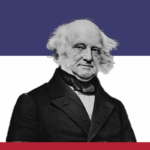
Martin Van Buren
Martin Van Buren(1782–1862) was the 8th Vice President of the United States (1833–1837) under Andrew Jackson and later became the 8th President (1837–1841). A founder of the Democratic Party, he was known for his political skill and organizational talents but faced economic challenges during his presidency.
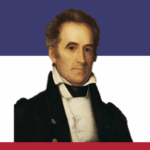
Richard Mentor Johnson
Richard Mentor Johnson(1780–1850) served as the 9th Vice President of the United States under President Martin Van Buren from 1837 to 1841. A member of the Democratic Party, he was known for his controversial personal life and military service in the War of 1812, where he claimed to have killed Tecumseh.
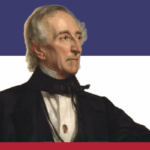
John Tyler
John Tyler (1790–1862) was the 10th Vice President(1841) under William Henry Harrison and became the 10th U.S. President after Harrison’s death. Andrew Johnson, not related to Tyler, became President after Lincoln’s assassination. Both were Vice Presidents who assumed the presidency, but under different presidents and circumstances.
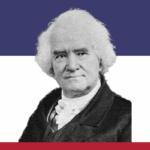
George M. Dallas
George M. Dallas(1792–1864) served as the 11th Vice President of the United States from 1845 to 1849 under President James K. Polk. A member of the Democratic Party, he supported territorial expansion and the Mexican American War. Dallas, Pennsylvania, is named in his honor, reflecting his political influence during the era.
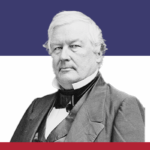
Millard Fillmore
Millard Fillmore(1800–1874) served as the 12th President of the United States (1849-1850) after the death of President Zachary Taylor. Previously the 12th Vice President, Fillmore supported the Compromise of 1850 to ease tensions over slavery. A member of the Whig Party, he was the last president not affiliated with Democrats or Republicans.
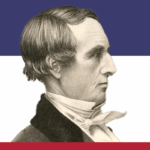
William R. King
William R. King(1786–1853) was the 13th Vice President of the United States, serving briefly in 1853 under President Franklin Pierce. A long-time senator from Alabama, he was gravely ill at the time of his inauguration and died just 45 days later, making his term one of the shortest in U.S. history.
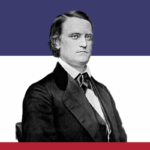
John C. Breckinridge
John C. Breckinridge(1821–1875) served as the 14th Vice President of the United States from 1857 to 1861 under President James Buchanan. A member of the Democratic Party, he was the youngest-ever Vice President. He later joined the Confederacy during the Civil War and served as the Confederate Secretary of War.
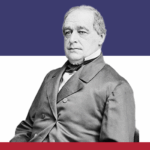
Hannibal Hamlin
Hannibal Hamlin(1809–1891) was the 15th Vice President of the United States, serving under President Abraham Lincoln from 1861 to 1865 during the Civil War. A staunch opponent of slavery, he was the first Republican Vice President. Hamlin later served in the U.S. Senate and as ambassador to Spain.
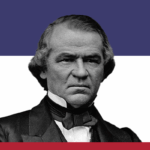
Andrew Johnson
Andrew Johnson(1808–1875) was the 16th President of the United States, ascending to the role after Abraham Lincoln’s assassination in 1865. Previously Lincoln’s Vice President, he led Reconstruction efforts but faced fierce opposition. A Southern Democrat loyal to the Union, he was the first U.S. president to be impeached but was acquitted.
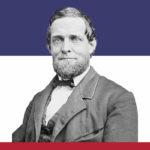
Schuyler Colfax
Schuyler Colfax(1823–1885) was the 17th Vice President of the United States, serving under President Ulysses S. Grant from 1869 to 1873. A former Speaker of the House, he played a key role in Reconstruction. His reputation was later tarnished by involvement in the Crédit Mobilier scandal, ending his national political career.
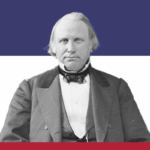
Henry Wilson
Henry Wilson(1812–1875) served as the 18th Vice President of the United States under President Ulysses S. Grant from 1873 until his death in 1875. A dedicated abolitionist and Republican leader, Wilson previously served as a U.S. Senator from Massachusetts and played a key role in advancing civil rights during Reconstruction.
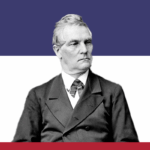
William A. Wheeler
William A. Wheeler(1819–1887) was the 19th Vice President of the United States, serving under President Rutherford B. Hayes from 1877 to 1881. A Republican from New York, Wheeler was known for his integrity and opposition to political corruption. Despite holding high office, he remained a relatively low-profile and modest public servant.
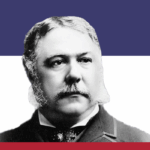
Chester A. Arthur
Chester A. Arthur(1829–1886) was the 20th President of the United States, ascending from Vice President after James A. Garfield’s assassination in 1881. As the 20th Vice President, he advocated civil service reform and signed the Pendleton Act. Arthur modernized the Navy and earned respect for his unexpected integrity and leadership.
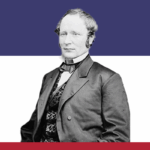
Thomas A. Hendricks
Thomas A. Hendricks(1819–1885) was the 21st Vice President of the United States, serving under President Grover Cleveland in 1885. A Democrat from Indiana, he previously served as a U.S. senator and governor. Hendricks died in office after just eight months, becoming one of the few vice presidents to do so.
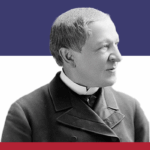
Levi P. Morton
Levi P. Morton(1824–1920) was the 22nd Vice President of the United States, serving under President Benjamin Harrison from 1889 to 1893. A successful banker and diplomat, he previously served as U.S. Minister to France. Morton later became Governor of New York and was known for his conservative Republican views and business acumen.
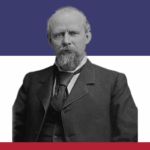
Adlai Stevenson
Adlai E. Stevenson I(1835–1914) was the 23rd Vice President of the United States, serving under President Grover Cleveland from 1893 to 1897. A Democrat from Illinois, he was known for his opposition to high tariffs. His grandson, Adlai Stevenson II, became a prominent 20th-century diplomat and presidential candidate.
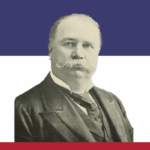
Garret Hobart
Garret A. Hobart(1844–1899) was the 24th Vice President of the United States, serving under President William McKinley from 1897 until his death in 1899. A successful lawyer and businessman from New Jersey, Hobart played a key advisory role in the administration and strengthened the political influence of the vice presidency.
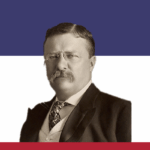
Theodore Roosevelt
Theodore Roosevelt(1858–1919) served as the 25th Vice President of the United States in 1901 under President William McKinley. After McKinley’s assassination, Roosevelt became the 26th President. Known for his energetic leadership, progressive reforms, and conservation efforts, he remains one of the most influential and dynamic figures in American political history.
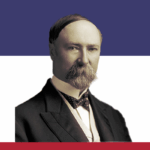
Charles W. Fairbanks
Charles W. Fairbanks(1852–1918) was the 26th Vice President of the United States, serving from 1905 to 1909 under President Theodore Roosevelt. A conservative Republican from Indiana, he previously served as a U.S. Senator. Fairbanks supported business interests and limited government intervention, opposing some of Roosevelt’s progressive policies during their administration.
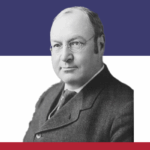
James S. Sherman
James S. Sherman(1855–1912) was the 27th Vice President of the United States, serving under President William Howard Taft from 1909 until his death in 1912. A Republican from New York, he was known for his affable personality and strong ties to Congress, earning the nickname “Sunny Jim” for his cheerful demeanor.

Thomas R. Marshall
Thomas R. Marshall(1854–1925) was the 28th Vice President of the United States, serving under President Woodrow Wilson from 1913 to 1921. Known for his wit and the famous quote, “What this country needs is a good five-cent cigar,” he played a limited but steady role during World War I and Wilson’s presidency.
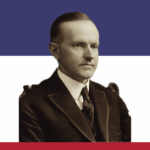
Calvin Coolidge
Calvin Coolidge(1872–1933) was the 29th Vice President of the United States under President Warren G. Harding from 1921 to 1923. He became the 30th President after Harding’s death. Known for his quiet demeanor and pro-business policies, Coolidge emphasized limited government and fiscal conservatism during the economic boom of the 1920s.
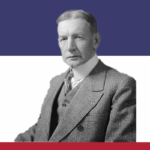
Charles G. Dawes
Charles G. Dawes(1865–1951) served as the 30th Vice President of the United States from 1925 to 1929 under President Calvin Coolidge. A Nobel Peace Prize laureate, he was recognized for the Dawes Plan, which addressed World War I reparations. Dawes was also a banker, diplomat, and U.S. Budget Director.
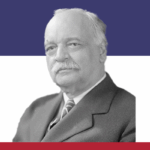
Charles Curtis
Charles Curtis(1860–1936) was the 31st Vice President of the United States, serving under President Herbert Hoover from 1929 to 1933. A member of the Republican Party, he was the first person of Native American ancestry to hold the office. Curtis previously served as Senate Majority Leader and had a long congressional career.
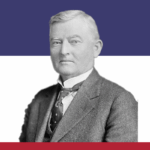
John Nance Garner
John Nance Garner(1868–1967), known as “Cactus Jack,” was the 32nd Vice President of the United States, serving under Franklin D. Roosevelt from 1933 to 1941. A powerful Texas Democrat and former Speaker of the House, Garner played a key role in early New Deal legislation but later opposed FDR’s third term.
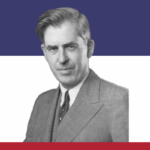
Henry A. Wallace
Henry A. Wallace(1888–1965) served as the 33rd Vice President of the United States under President Franklin D. Roosevelt from 1941 to 1945. A progressive Democrat, he was known for his support of New Deal policies, civil rights, and international cooperation. Wallace later ran for president in 1948 as a Progressive.
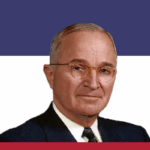
Harry S. Truman
Harry S. Truman(1884–1972) was the 34th Vice President(1945) under Franklin D. Roosevelt and became the 33rd President after Roosevelt’s death in 1945. He authorized the use of atomic bombs on Japan, ended World War II, and led the U.S. through the early Cold War, establishing the Truman Doctrine and NATO.
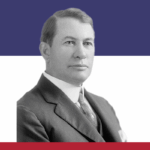
Alben W. Barkley
Alben W. Barkley(1877–1956) was the 35th Vice President of the United States, serving under President Harry S. Truman from 1949 to 1953. A prominent Democrat from Kentucky, he previously held leadership roles in both the House and Senate. Barkley was known for his oratory skills and long, distinguished political career.
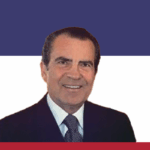
Richard Nixon
Richard Nixon(1913–1994) was the 36th Vice President of the United States, serving under President Dwight D. Eisenhower from 1953 to 1961. A Republican, he later became the 37th President. Nixon was known for his anti-communist stance and foreign policy achievements but resigned in 1974 due to the Watergate scandal.
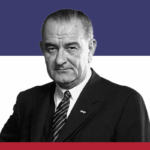
Lyndon B. Johnson
Lyndon B. Johnson(1908–1973) was the 37th Vice President of the United States under President John F. Kennedy from 1961 to 1963. After Kennedy’s assassination, he became the 36th President. Johnson is known for the Great Society programs, civil rights legislation, and escalating U.S. involvement in the Vietnam War.

Hubert Humphrey
Hubert Humphrey(1911–1978) was the 38th Vice President of the United States, serving under President Lyndon B. Johnson from 1965 to 1969. A leading liberal voice, he championed civil rights and social welfare. Humphrey also served as a U.S. Senator from Minnesota and was the Democratic presidential nominee in 1968.

Spiro Agnew
Spiro Agnew(1918–1996) was the 39th Vice President of the United States, serving under President Richard Nixon from 1969 to 1973. A former Governor of Maryland, he was known for his outspoken criticism of the media and anti-war protesters. Agnew resigned in 1973 amid a corruption scandal involving tax evasion.

Gerald Ford
Gerald Ford(1913–2006) was the 40th Vice President and later the 38th President of the United States. He became Vice President in 1973 after Spiro Agnew’s resignation and assumed the presidency in 1974 following Richard Nixon’s resignation. Ford is the only U.S. president never elected to national office by vote.
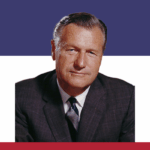
Nelson Rockefeller
Nelson Rockefeller(1908–1979) was the 41st Vice President of the United States, serving under President Gerald Ford from 1974 to 1977. A wealthy businessman and four-term Governor of New York, he was known for his moderate Republican views. Rockefeller played a key role in shaping domestic policy and urban development.
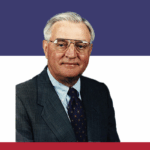
Walter Mondale
Walter Mondale(1928–2021) was the 42nd Vice President of the United States, serving under President Jimmy Carter from 1977 to 1981. A champion of liberal causes, he redefined the vice presidency as an active, policy-influencing role. Mondale later ran for president in 1984 but lost to incumbent Ronald Reagan.
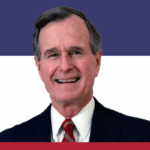
George H. W. Bush
George H. W. Bush(1924–2018) served as the 43rd Vice President of the United States under Ronald Reagan from 1981 to 1989. A World War II veteran and former CIA Director, he became the 41st President in 1989. Bush was known for his foreign policy leadership, especially during the Gulf War and Cold War’s end.

Dan Quayle
Dan Quayle(born 1947) served as the 44th Vice President of the United States under President George H. W. Bush from 1989 to 1993. A Republican from Indiana, he previously served in both the U.S. House and Senate. Quayle was known for his conservative views and faced frequent media scrutiny during his tenure.

Al Gore
Al Gore(1948) served as the 45th Vice President of the United States under President Bill Clinton from 1993 to 2001. A Democratic senator from Tennessee before becoming vice president, he later gained global recognition for his environmental advocacy, winning the Nobel Peace Prize in 2007 for his work on climate change awareness.
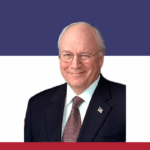
Dick Cheney
Dick Cheney(1941) served as the 46th Vice President of the United States under George W. Bush from 2001 to 2009. A key architect of post-9/11 U.S. foreign policy, he previously held roles including Secretary of Defense. Cheney is known for his strong stance on national security and executive power.
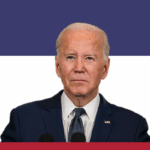
Joe Biden
Joe Biden(1942), the 46th President of the United States, previously served as 47th Vice President under Barack Obama from 2009 to 2017. A longtime senator from Delaware, he is known for his experience, empathy, and leadership. Biden focuses on unity, economic recovery, healthcare, and restoring America’s global alliances and democratic institutions.
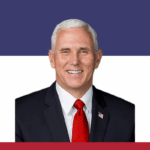
Mike Pence
Mike Pence(1959), the 48th Vice President of the United States, served under President Donald Trump from 2017 to 2021. A former Indiana governor and congressman, he is known for his conservative values, strong Christian faith, and loyalty to Trump—though their relationship strained following the 2021 Capitol insurrection.
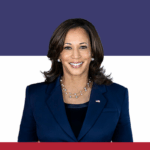
Kamala Harris
Kamala Harris(1964), the 49th Vice President of the United States, made history as the first woman, first Black, and first South Asian to hold the office. A former U.S. Senator and California Attorney General, she is known for her progressive stance on justice, healthcare, and civil rights.

JD Vance
J.D. Vance(1984) is the current (50th) Vice President of the United States, sworn in on January 20, 2025 under President Donald Trump. He is the first millennial, second Catholic vice president, former Marine veteran, and former U.S. Senator from Ohio. Vance is known for economic populism, nationalist foreign policy, and advocacy for the working class.
No Prime Minister in the U.S. Government
In the United States, the government does not include a Prime Minister. Instead, the Vice President holds the position of the second-highest official in the federal government, ranking directly after the President. While many countries with parliamentary systems appoint a Prime Minister to lead their governments, the United States follows a presidential system. In this system, the President acts as both the head of state and the head of government. The Vice President mainly supports the President and stays prepared to take over the presidency if necessary.
Famous Vice Presidents in U.S. History
Throughout American history, several Vice Presidents have significantly shaped the country. John Adams served as the first Vice President and later became the second President of the United States. Thomas Jefferson worked as Vice President under Adams and then won the presidency in the next election. In more recent times, Lyndon B. Johnson assumed office after an assassin killed John F. Kennedy, and Joe Biden, who served as Vice President under Barack Obama, won the presidency in 2021. These leaders demonstrate how the Vice Presidency often leads to the highest office in the nation.
